Carte+ · Omni Rack Robotics

Automate the Racks You Already Have. High-Performance Automation Without Rebuilding the Warehouse.

Carte+ combines rack-native robotics, intelligent orchestration, and modular infrastructure to automate storage, retrieval, picking, and replenishment within the warehouse you already operate.
Rack-Native Automates storage + retrieval
Software-Defined Intelligence coordinates every movement
Progressive Start where the return is strongest
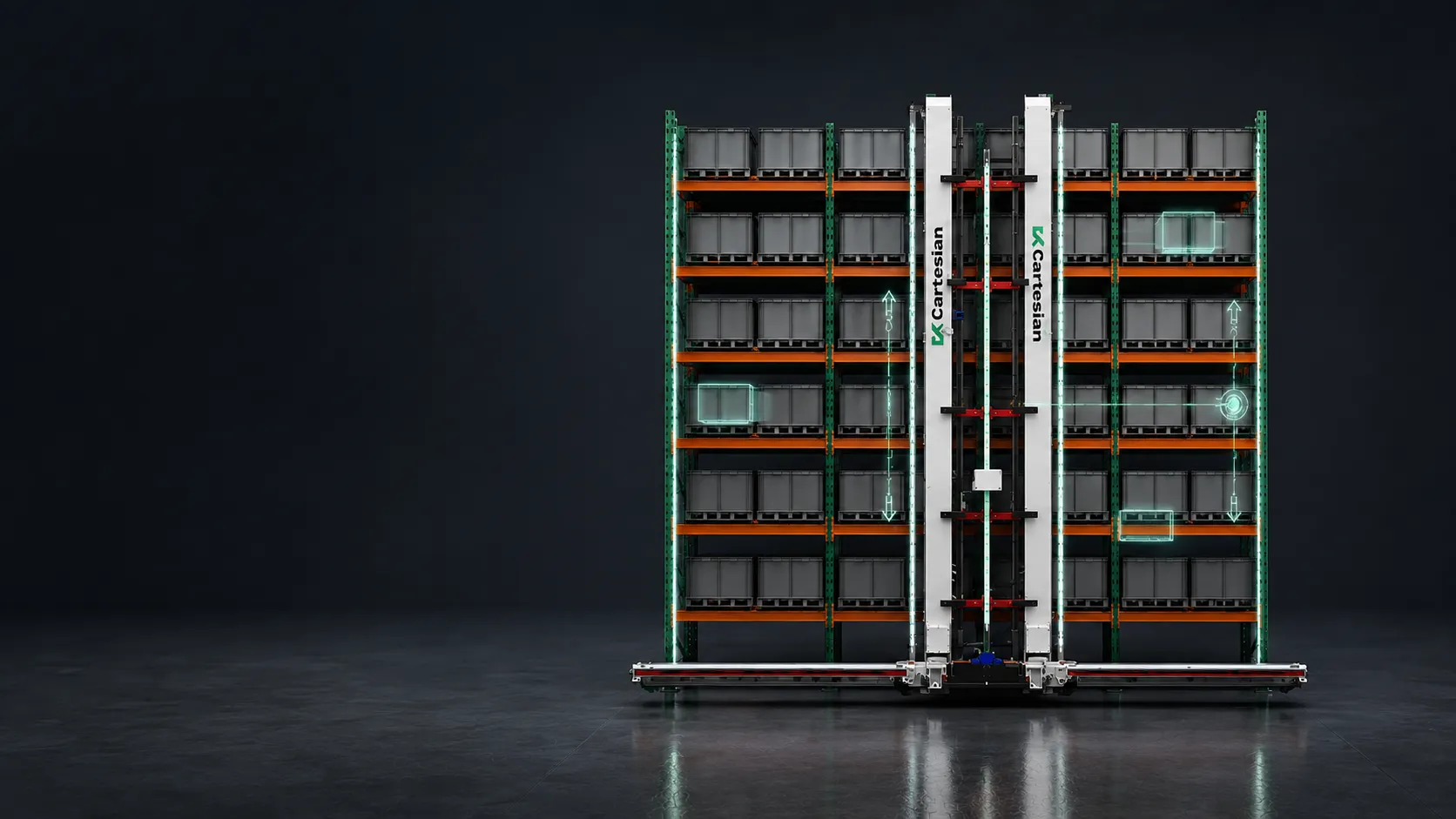
Carte+ rack-native warehouse automation system
CARTE+ Omni Rack Robotics
Existing Infrastructure Built around compatible racks
Intelligent Movement Inventory moves to the work
Physical Automation Designed for the warehouse you already operate.
CARTE+
Existing Infrastructure Work with compatible racks already in place
Rack-Native Automation Automate storage and retrieval—not just transport
Progressive Deployment Start with the aisle or workflow that matters most
Intelligent Orchestration Coordinate inventory, robots, and workflows

The Carte+ Advantage

Create More Capacity. Without Creating More Warehouse.

Carte+ transforms compatible existing rack infrastructure into a more responsive storage, retrieval, and fulfillment environment—helping operators increase productive capacity without starting with a major facility rebuild.

Unlock Capacity

Put More of the Existing Cube to Work

Use vertical rack positions and storage locations that can be difficult or labor-intensive to serve manually, creating more usable capacity from the facility already in place.

Existing Space More usable capacity

Reduce Travel

Bring Inventory to the Work

Reduce repetitive walking and manual rack travel by moving inventory through the rack environment toward the picking, replenishment, or downstream workflow that needs it.

Productive Motion Less non-value-added travel

Scale Selectively

Start Where the Return Is Strongest

Begin with the aisle, zone, or workflow where automation creates the clearest operational value, then expand as demand, utilization, and the business case justify additional deployment.

Progressive Scale Aisle → Workflow → Site
The Carte+ Design Principle

Fit automation to the operation—not the operation to the automation. Carte+ is designed to work around compatible existing infrastructure, operating constraints, and growth priorities so automation can be introduced progressively.

Preserve Automate Expand

The Carte+ System

Hardware and Intelligence. Working as One.

Carte+ combines rack-native robotics, modular infrastructure, and software intelligence into one coordinated system—designed to automate compatible existing rack environments without rebuilding the warehouse around them.
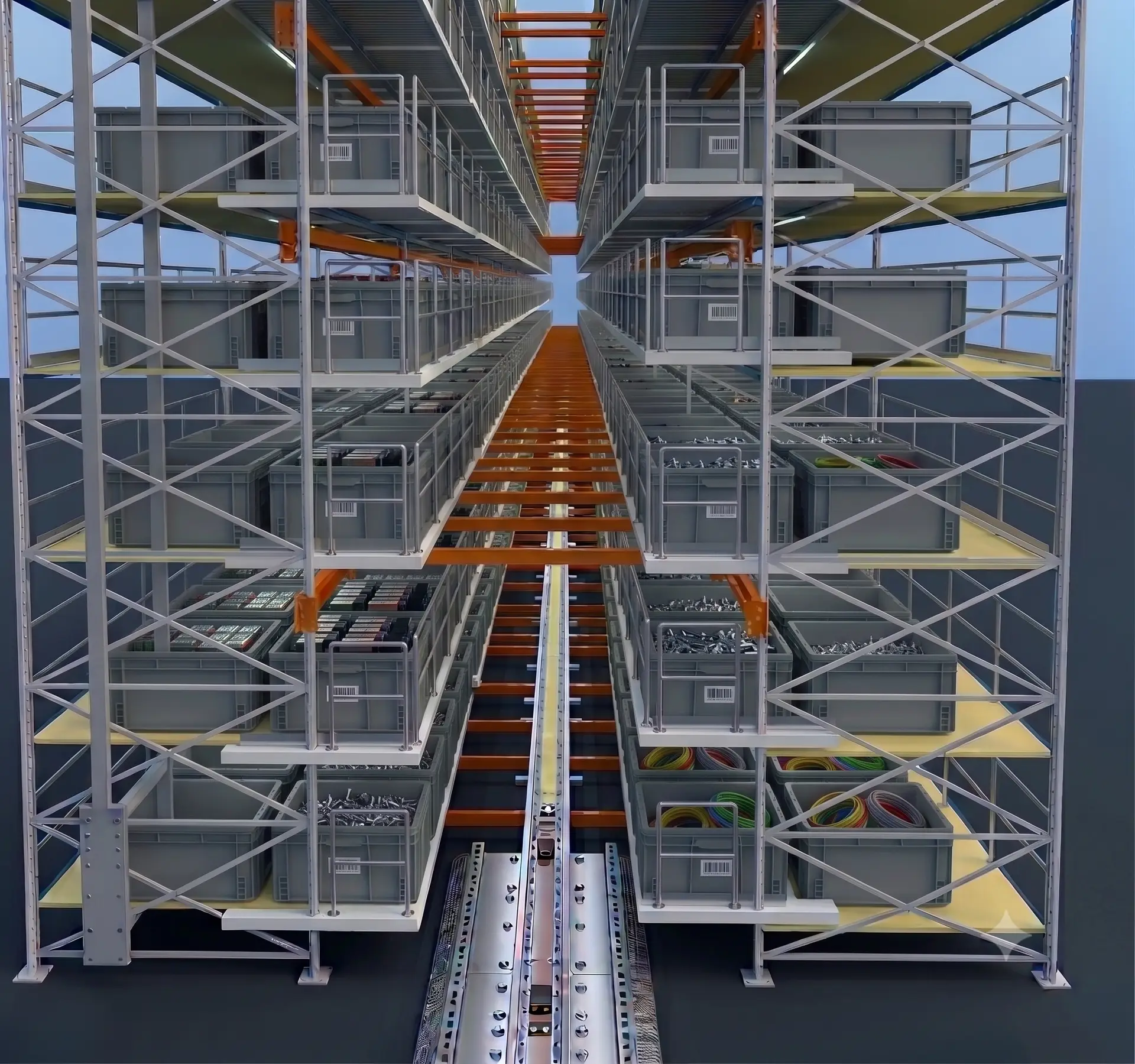
Active system component
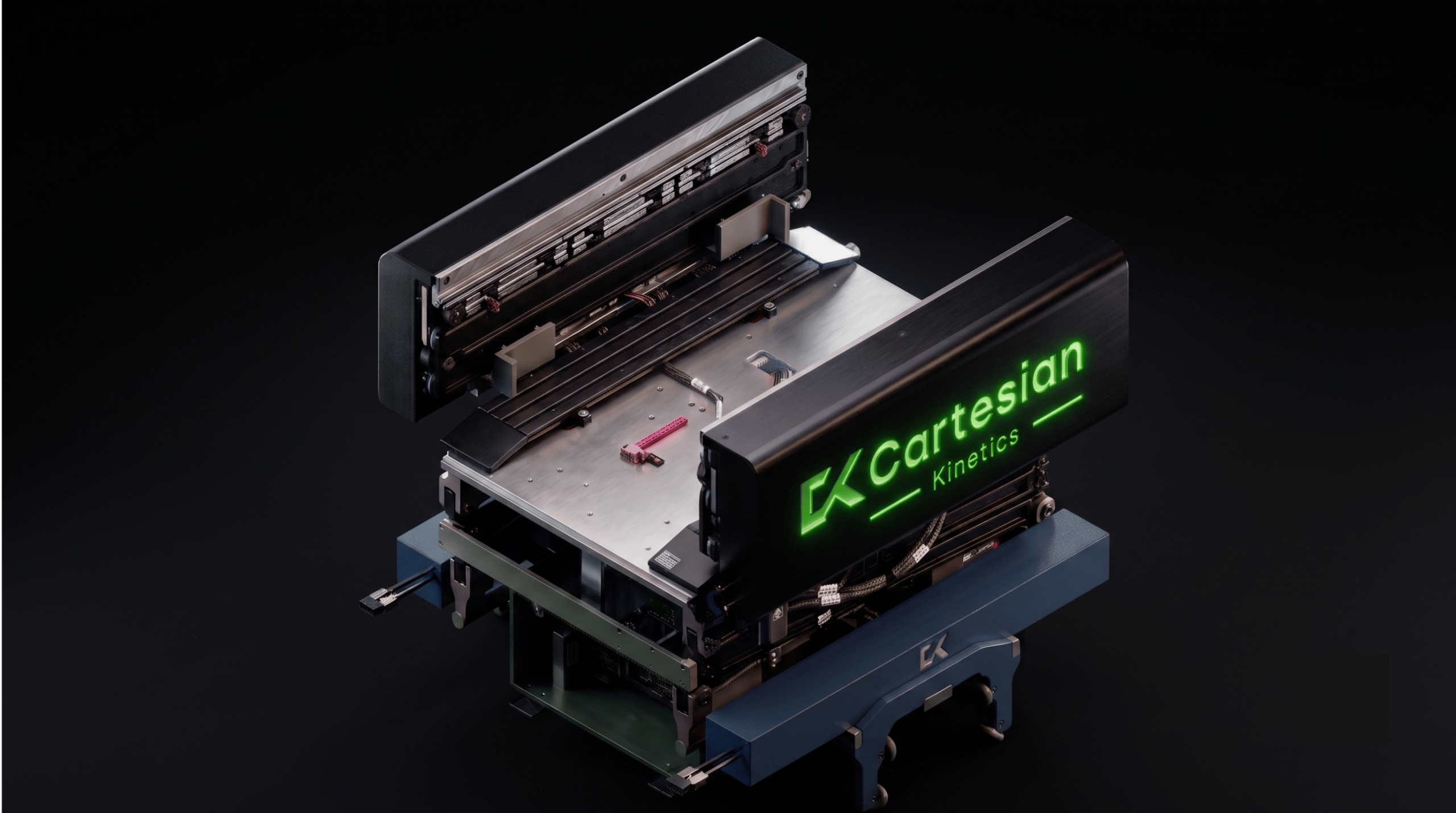
Carte+ robot shuttle retrieving inventory from warehouse racks
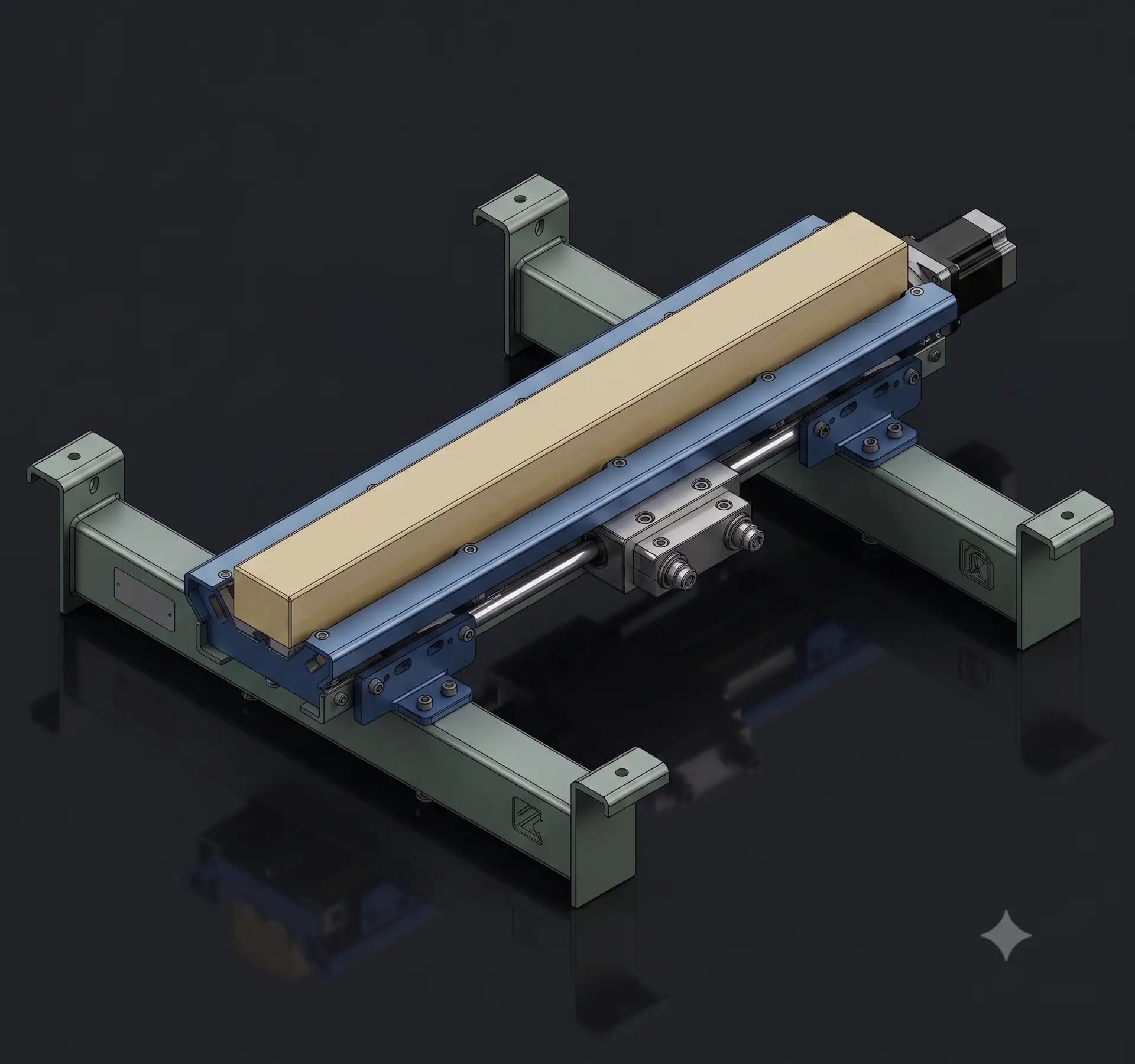
Modular Carte+ rail system mounted onto warehouse racks
Overhead Carte+ Bot Path connecting warehouse aisles
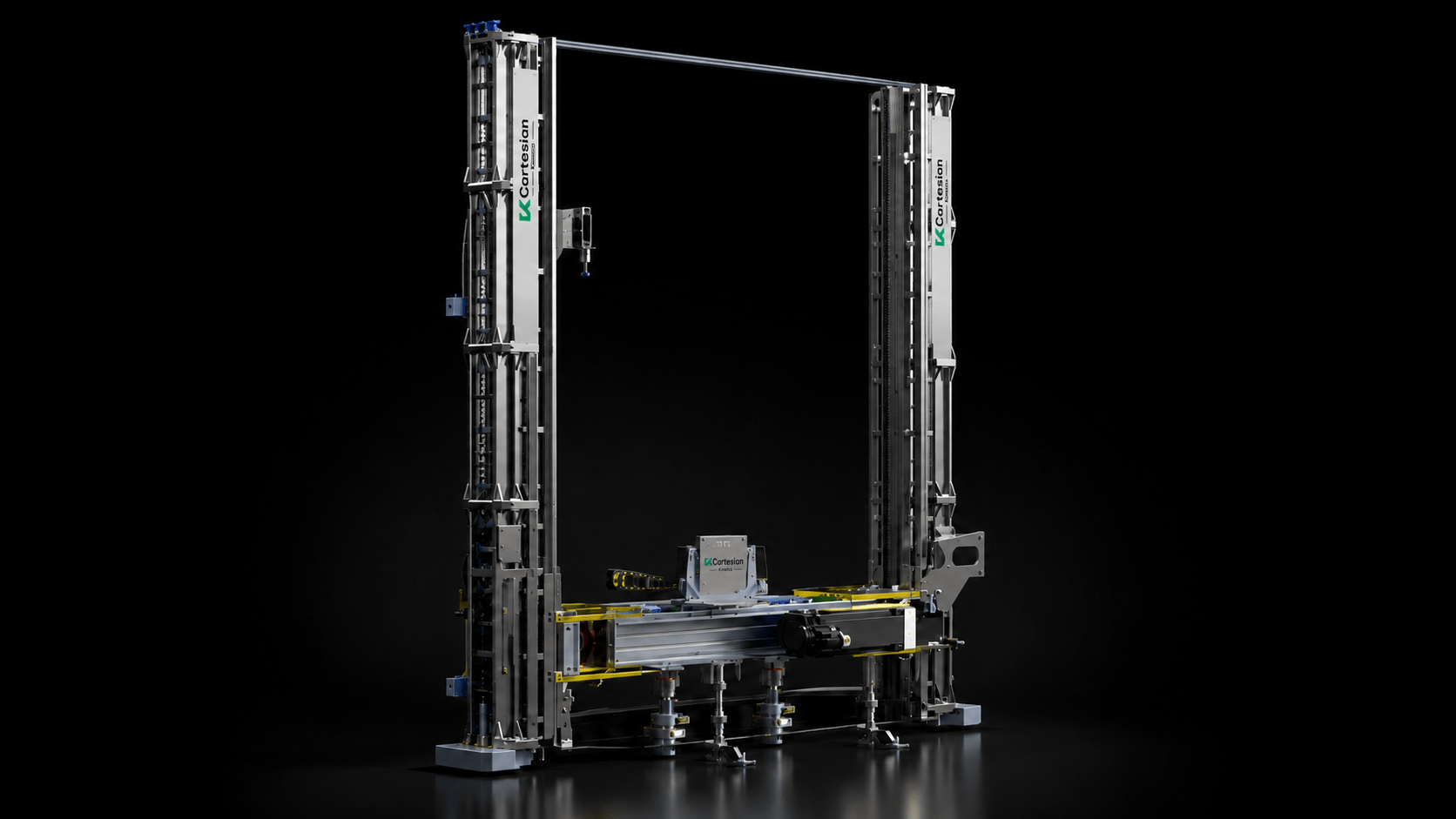
Carte+ vertical lift moving inventory between rack levels
Cartesian warehouse intelligence and robotic orchestration software
Carte+ System Anatomy Robots

Select a component to explore

Intelligent Movement

Robots

Carte+ robot shuttles retrieve and deliver totes or cartons across compatible rack levels, connecting storage directly with picking, conveyor, and buffer workflows.

Move inventory—quickly and accurately.

Carte+ in Action

From Rack Position to Point of Work.

Carte+ retrieves inventory from compatible rack positions, moves it across levels and between aisles, and delivers it to the workflow that needs it—all as one coordinated material-flow system.

Carte+ System Overview
Rack-Native Material Flow Watch inventory move through the system.
Carte+ · Rack-Native Robotics
01 · Retrieve

Access Inventory at the Rack

Carte+ robots retrieve totes or cartons directly from compatible storage positions across the rack environment.

02 · Transfer

Move Across Rack Levels

Robots and lifts coordinate horizontal and vertical movement so inventory can travel through multiple storage elevations.

03 · Connect

Move Between Aisles

The overhead Bot Path transfers robots between aisles while preserving the primary warehouse floor for people and operations.

04 · Deliver

Bring Inventory to the Work

Inventory arrives at picking, replenishment, conveyor, buffer, or downstream workflows without requiring an associate to travel to the rack.

Every physical movement is part of a coordinated decision. The intelligence underneath Carte+ determines what should move, where it should go, and how the system should respond as priorities change.

Intelligence Underneath Every Movement

From Warehouse Priorities to Coordinated Execution.

Carte+ does more than move inventory. Cartesian software translates order priorities, inventory requirements, and operating conditions into coordinated physical work—then uses execution feedback to inform what happens next.

Demand + Commands →
01 · Demand

Understand What Matters Now

Orders, inventory status, replenishment needs, and operating priorities provide the demand context for the next decision.

WMS · OMS · Inventory
02 · Decide

Determine the Next Best Action

Cartesian intelligence evaluates priorities, inventory location, system state, and available capacity to determine what work should happen next.

Cartesian Intelligence
03 · Coordinate

Sequence the System

Robots, lifts, aisle transfers, destinations, and workflow priorities are coordinated as one operating system rather than independent machines.

Cartesian Orchestration
04 · Execute

Move Inventory Physically

Carte+ converts software decisions into real warehouse movement—retrieving, transferring, and delivering inventory where it is needed.

Carte+

Coordinate the system in software. Validate the operation before deployment. Before Carte+ is introduced physically, Cartesian can model the proposed operation, test workflows against representative demand, and validate where automation can create the strongest value.

Validate Before You Deploy

Test the Operation Before Changing the Operation.

Before physical deployment, Cartesian can model the proposed Carte+ operation and test workflows against representative operating conditions—helping teams understand system behavior, expose constraints, and refine the design before committing to the physical implementation.

From Operational Assumptions → → To a Better-Informed Deployment
01 · Model

Recreate the Proposed Operation

Build a digital representation of the relevant warehouse layout, rack environment, workflows, inventory movement, and proposed Carte+ system.

Establish the operating baseline
02 · Simulate

Run Representative Demand

Test the proposed system against representative order profiles, inventory conditions, workflow assumptions, and operating scenarios.

See how the design behaves
03 · Validate

Find Constraints Before Go-Live

Evaluate throughput, utilization, queueing, handoffs, and potential bottlenecks so the proposed design can be refined before installation.

Refine the design with evidence
04 · Deploy

Move Forward With Better Information

Use the validated configuration to inform equipment sizing, workflow design, deployment priorities, and implementation planning.

Reduce uncertainty before implementation
Model What Matters
  • Warehouse layout and rack geometry
  • Inventory locations and SKU profiles
  • Representative order demand
  • Picking and replenishment workflows
  • Proposed Carte+ configuration
Cartesian Digital Twin Model · Simulate · Validate
Make Better-Informed Decisions
  • Identify potential bottlenecks
  • Compare operating scenarios
  • Refine workflow assumptions
  • Inform system sizing
  • Establish deployment priorities

Validate the Business Case Before the Hardware Arrives.

Reduce Design Uncertainty Test assumptions virtually before they become physical constraints in the warehouse.
Focus Investment Where It Matters Evaluate which aisles, workflows, and operating scenarios justify automation first.
Build a Clearer Path to Scale Establish a validated starting point and use operating evidence to inform future expansion.

Why Carte+

Automate Storage and Retrieval. Without Rebuilding the Warehouse.

Carte+ closes the gap between flexible mobile robotics and fixed ASRS infrastructure—bringing automated storage, retrieval, vertical movement, and aisle-to-aisle transfer into compatible rack environments while preserving more of the warehouse you already operate.

Compare the Automation Approach Choose for the Operation You Already Run
Flexible Transport

AMRs

Flexible mobile robots can reduce point-to-point transport, but inventory retrieval from the rack often remains dependent on people or additional systems.

Strongest Fit

Moving carts, totes, or materials across the warehouse floor.

  • Flexible floor transport
  • Low infrastructure dependency
  • Incremental deployment
  • Limited rack storage and retrieval automation
Rack-Native Automation

Carte+

Carte+ brings storage, retrieval, vertical movement, and aisle-to-aisle transfer into compatible existing rack environments without requiring the warehouse to be rebuilt around a fixed automation structure.

Strongest Fit

Operating warehouses that need deeper automation while preserving existing infrastructure and flexibility.

  • Automates rack storage and retrieval
  • Works with compatible existing racks
  • Supports progressive deployment
  • Designed for brownfield operating environments
Fixed Automation

Traditional ASRS

Traditional ASRS can provide high-capacity storage and retrieval, but typically works best when the facility and infrastructure are designed around the automation system.

Strongest Fit

Greenfield or highly controlled environments designed around permanent fixed automation.

  • Deep storage and retrieval automation
  • High throughput potential
  • Significant fixed infrastructure
  • Less adaptable to many operating brownfields
Executive Decision Scorecard
AMRs
Carte+
Traditional ASRS
Preserve compatible existing racks
Limited
Strong
Limited
Automate rack storage + retrieval
Limited
Strong
Strong
Progressive deployment by workflow or aisle
Partial
Strong
Partial
Brownfield operating environment fit
Partial
Strong
Limited
Minimize major infrastructure reconstruction
Strong
Strong
Limited
Operating Proof

Automation in the Existing Warehouse.

Throughput increase reported in the HJI deployment.
50% Reduction in labor requirements reported for the deployment.
Existing Warehouse footprint and rack environment retained.

HJI Supply Chain Solutions deployment results published by Cartesian Kinetics. Results are specific to that operation. Performance in other facilities depends on order profile, workflow, facility conditions, integration, system scope, and solution configuration.

See Carte+ in Your Operation

Start With the Warehouse You Already Have.

You do not need to begin with a rebuild. Start with your current racks, workflows, order profile, and operating constraints. Cartesian can help identify where Carte+ could create value and what the right first deployment should look like.

Carte+ rack-native warehouse automation system
Carte+ · Rack-Native Automation Add automation where the operation needs it most.

Start With the Operation. Not the Equipment List.

Share the Current Environment Layout, racks, workflows, order profile, constraints, and operating priorities.
Identify the Best Starting Point Focus first on the aisle, workflow, or capacity constraint where automation can create meaningful value.
Validate Before Scaling Model the proposed solution, establish the business case, and expand as operational evidence supports it.

Automation should adapt to the warehouse—not force the warehouse to adapt to automation. Carte+ provides a path to deeper warehouse automation while preserving more of the infrastructure, workflows, and flexibility operators already depend on.

Cartesian Kinetics