
Adaptive Automation

Modernize the Warehouse. Without Starting Over.

Software First. Physical Automation Where It Creates Value.

Cartesian combines software intelligence, Digital Twin validation, orchestration, and rack-native robotics to help warehouses modernize progressively—using more of the infrastructure, workflows, and operating context they already have.

Start with the operating problem—not the equipment list. Understand the operation, model the alternatives, and introduce physical automation where the operational and business case supports it.

Cartesian Digital Twin warehouse model
Software + Digital Twin Start Here
Understand · Model · Validate Use operating context to determine what should change before changing the warehouse.
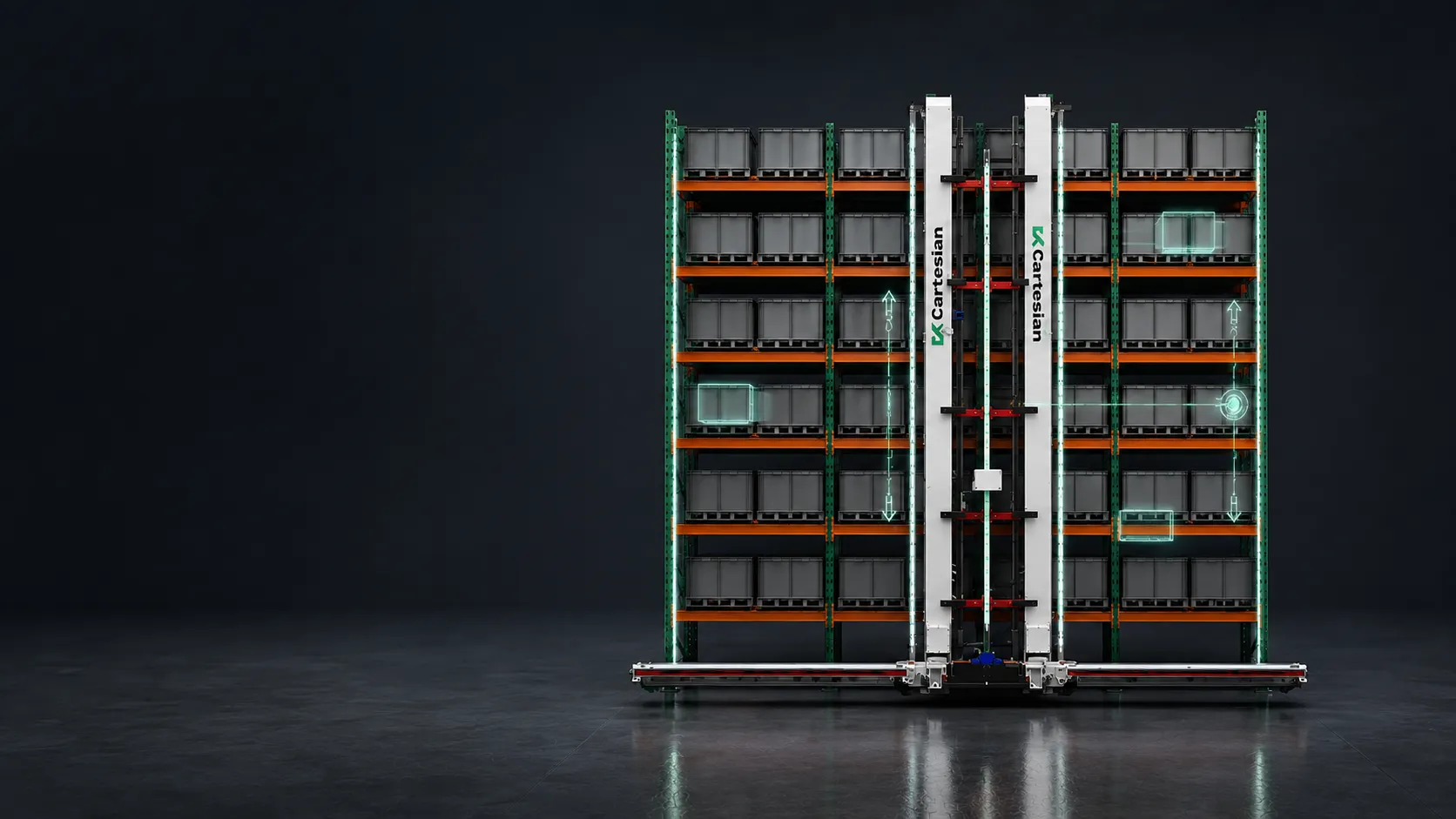
Carte+ Omni Rack Robotics warehouse automation
Physical Execution Carte+ · Omni Rack Robotics
Adaptive Automation Software → Physical

Start with intelligence. Introduce physical automation only where the operating evidence supports it.

Understand Model Orchestrate Automate
Understand Start With the Operation

Demand, inventory, workflows, systems, constraints, and operating priorities establish what needs to improve.

Model Evaluate Before You Invest

Use the Digital Twin to compare scenarios, test assumptions, and understand potential operating outcomes.

Orchestrate Coordinate the Operation

Connect systems, priorities, workflows, inventory, and automation through a common intelligence layer.

Automate Add Physical Automation Selectively

Introduce Carte+, Omni Rack Robotics, and connected automation where deeper physical execution creates value.

A Software-First Approach

Start With the Operation. Not the Equipment.

Adaptive Automation begins by understanding how the warehouse operates today—its demand, inventory, workflows, systems, constraints, and priorities—before deciding where software, process change, or physical automation should be introduced.

The Starting Point

Solve the Operating Constraint First.

The right modernization path may begin with better visibility, different slotting, workflow changes, orchestration, or automation. Cartesian's approach is designed to understand the problem before prescribing the equipment—so physical automation becomes one tool in the solution rather than the starting assumption.

Current Operation Targeted Physical Execution →
01 · Understand

See How the Operation Works Today

Bring together demand, inventory, workflow, resource, facility, and system context to identify where performance is being constrained.

Define the operating problem
02 · Model

Explore the Alternatives Digitally

Use the Digital Twin to test representative demand, workflow changes, resource assumptions, and proposed automation scenarios before deployment.

Compare potential operating paths
03 · Optimize

Improve Before Adding Hardware

Evaluate whether slotting, workflow design, orchestration, resource allocation, or operating rules can improve performance before physical capacity is added.

Use what already exists more effectively
04 · Automate

Add Physical Automation Where It Matters

Introduce Carte+, Omni Rack Robotics, or connected automation where physical execution addresses a validated operating constraint and business need.

Target automation to demonstrated value

Create Value Before the Robot Arrives.

A software-first approach allows modernization to begin before physical equipment is installed. The operation can be understood, alternatives modeled, workflows evaluated, and decisions refined while preserving the flexibility to automate only where deeper physical execution is justified.

Intelligence Understand the Operation

Use operating context to identify constraints, priorities, and opportunities for improvement.

Digital Twin Test Before Deployment

Compare workflows, demand conditions, capacity, and proposed automation scenarios digitally.

Orchestration Coordinate What Already Exists

Connect priorities, workflows, systems, inventory, and automation through a common intelligence layer.

When Physical Automation Is the Answer

Automate the Constraint—Not the Entire Warehouse.

When storage, retrieval, travel, vertical access, or rack productivity becomes the limiting factor, Omni Rack Robotics and Carte+ can extend Adaptive Automation into physical execution. The goal is not automation for its own sake. It is to introduce the right level of automation at the point where it creates meaningful operational value.

Preserve Keep What Already Works

Existing infrastructure, systems, workflows, and equipment do not need to be replaced simply because modernization begins.

Improve Use Intelligence First

Understand and improve the operation before assuming additional physical equipment is required.

Automate Target the Constraint

Add physical automation where the operating evidence shows a meaningful need and value case.

Scale Expand as Evidence Builds

Extend automation by workflow, aisle, facility, or network as operational learning supports it.

Intelligence Before Infrastructure

See the Whole Operation. Choose the Right Change.

Bring demand, inventory, workflows, systems, facility context, and existing automation into a common intelligence layer—then determine whether the next move is to optimize, coordinate, or automate.

Operating
Context
WMS + OMS
Orders + Demand
Inventory + SKUs
Facility + Layout
Workflows + Resources
Existing Automation
01
Cartesian Platform
Digital Twin

Model and validate scenarios against the operation before physical change.

Orchestration

Coordinate decisions, systems, workflows, resources, and automation.

Operational Intelligence

Surface operating insights and scenarios that help inform the next decision.

02
Adaptive
Response
Optimize

Improve the current operation with targeted changes.

Coordinate

Connect systems, resources, workflows, and automation.

Automate

Add physical execution where it creates the most value.

03

Adaptive by Design

Choose the Right Level. Not the Most Automation.

Different operating constraints require different responses. Adaptive Automation gives warehouses a path from software improvement to deeper physical execution—without assuming every modernization project should begin at the same point.

Lower Physical Change Deeper Physical Execution →
Level 01

Software Optimization

Improve how the existing operation uses its inventory, workflows, systems, and resources before adding physical automation.

  • Slotting + inventory positioning
  • Workflow and resource analysis
  • Digital Twin scenario evaluation
Get more from what already exists
Level 02

Workflow Automation

Restructure targeted processes to reduce unnecessary movement, handoffs, and manual coordination without rebuilding the storage environment.

  • Dynamic pick and consolidation workflows
  • Putwall and zone-based execution
  • Process-specific automation
Automate the process before the building
Level 03

Connected Automation

Coordinate multiple systems and automation technologies through a common orchestration layer so they operate as part of one workflow.

  • AMRs + AGVs
  • Conveyors + sortation
  • Packout + connected equipment
Coordinate automation across the operation
Level 04

Omni Rack Robotics

When the storage environment itself becomes the constraint, automate storage and retrieval within the rack environment instead of rebuilding around it.

  • Automated rack access
  • Storage + retrieval execution
  • Vertical and aisle-to-aisle movement
Deep physical automation without starting over
Not a Fixed Maturity Model

Start Where the Operation Needs You to Start.

These levels are not a required sequence. One facility may create meaningful value through software and orchestration, while another may already have a clear need for deeper rack-native automation. Adaptive Automation is about matching the solution to the operating constraint—and preserving the ability to change that answer as the operation evolves.

Preserve Keep Useful Infrastructure

Modernization should not force replacement of systems, equipment, or infrastructure that still serves the operation well.

Target Solve the Actual Constraint

Focus investment on the part of the operation that is limiting performance rather than automating broadly by default.

Integrate Connect What Already Exists

Existing automation can remain part of the operating environment instead of being displaced by a new monolithic system.

Expand Scale as the Case Builds

Add workflows, equipment, aisles, or deeper automation as operational evidence and business priorities support it.

When the Rack Becomes the Constraint, Automate the Rack.

Omni Rack Robotics extends Adaptive Automation into deeper physical execution. Instead of requiring the warehouse to be rebuilt around an automation system, the category is designed around the idea of bringing robotic storage and retrieval capability into compatible rack environments. Carte+ is Cartesian Kinetics' Omni Rack Robotics system.

Explore Carte+

Where Omni Rack Robotics Fits

When the Rack Becomes the Constraint, Automate the Rack.

When storage, retrieval, vertical access, or travel inside the rack environment limits performance, Adaptive Automation can extend into rack-native physical execution—without making a warehouse rebuild the starting point.
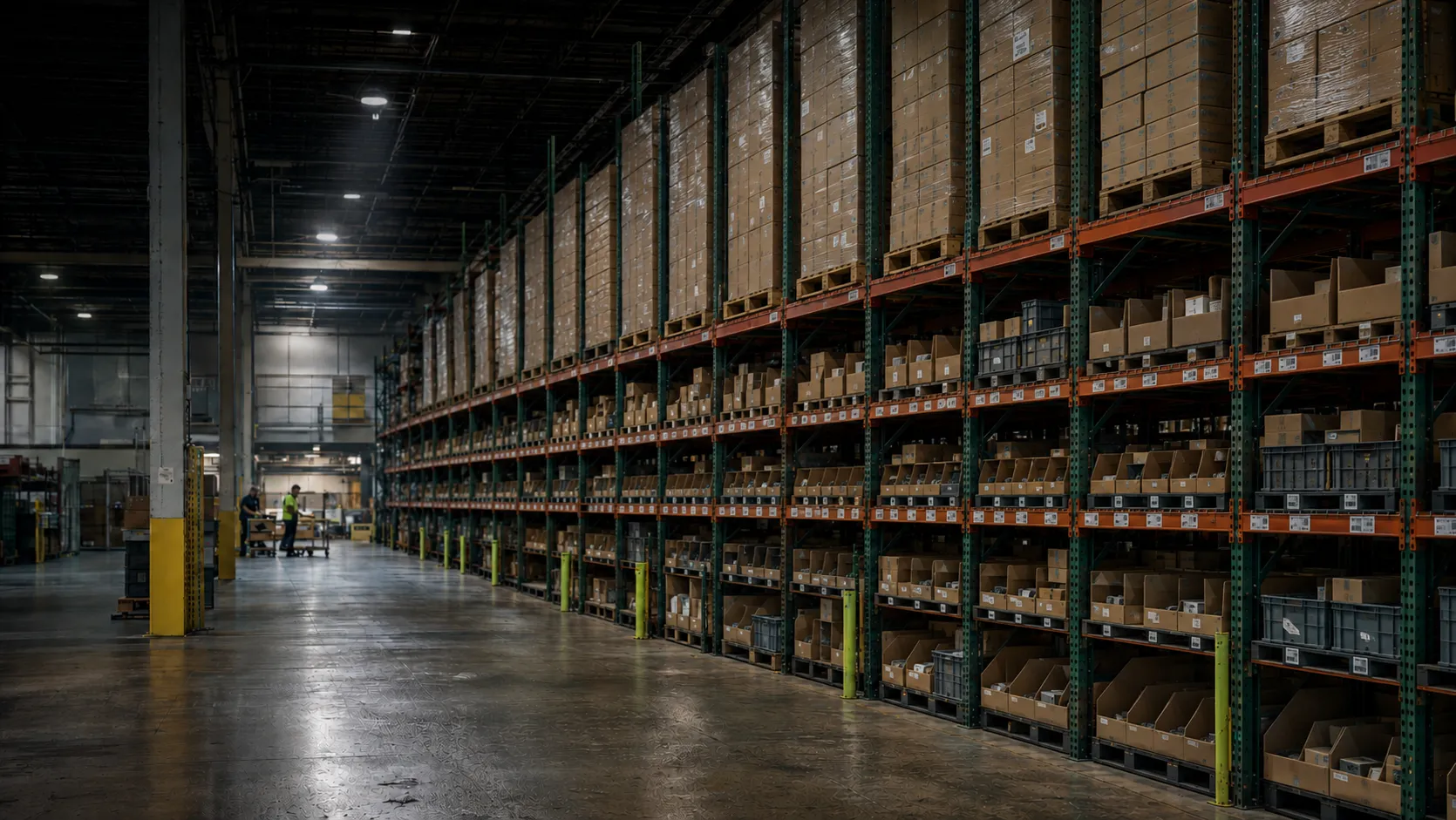
Existing warehouse rack and pick face environment
Existing Rack Environment Preserve What Works
The Starting Point Keep the storage environment. Change how it is accessed.
Rack-Native Physical Execution

Bring Automation Into the Storage Environment.

Omni Rack Robotics is the physical layer of Adaptive Automation for operations where deeper automation is needed inside the rack environment.

Storage + Retrieval

Automate access to inventory within compatible rack environments.

Vertical Access

Use more of the vertical storage environment instead of relying only on accessible pick faces.

Aisle-to-Aisle Movement

Extend robotic movement beyond one isolated storage aisle where the operating design requires it.

Software-Orchestrated Execution

Coordinate robotic actions with inventory, orders, workflows, priorities, and other automation.

The Category

A Different Way to Think About ASRS.

Conventional automated storage systems often begin by designing a purpose-built automation environment. Omni Rack Robotics takes the opposite starting point: begin with the rack environment and operating constraints already present, then introduce robotic storage and retrieval capability into that context where technically appropriate.

Rack-Native Start With Existing Storage

Design automation around compatible rack environments rather than assuming a proprietary storage structure must replace them.

Brownfield Modernize Active Facilities

Extend automation into warehouses where space, infrastructure, and ongoing operations constrain large-scale rebuilds.

Progressive Expand Where Needed

Add physical automation around the workflows, aisles, and capacity needs that justify deeper execution.

Software-Defined Keep Intelligence Underneath Movement

Physical execution remains connected to operating priorities, inventory, workflows, and orchestration.

Cartesian's ORR System

Carte+ Brings Omni Rack Robotics to the Floor.

Carte+ is Cartesian Kinetics' implementation of Omni Rack Robotics—designed to bring robotic storage, retrieval, and movement into compatible rack environments as part of the broader Adaptive Automation approach.

Explore Carte+
Carte+ Omni Rack Robotics system

One Adaptive System

One Platform. Multiple Paths to Value.

Adaptive Automation connects modeling, intelligence, orchestration, robotics, and existing automation around a shared understanding of the operation—so each capability can be introduced where it adds value without becoming another disconnected system.

Shared Operating Context
Orders + Demand
Inventory + SKUs
Workflows + Resources
Facility + Constraints
Systems + Automation
Cartesian Platform

A Common Intelligence + Execution Foundation.

The platform provides a shared operating context for understanding the warehouse, evaluating change, coordinating execution, and connecting physical automation to business priorities.

Model Digital Twin

Recreate the operation digitally, compare scenarios, and validate proposed changes before physical deployment.

Evaluate before changing the floor
Coordinate Orchestration

Coordinate priorities, systems, workflows, inventory, resources, and automation through a common execution layer.

Make separate systems work together
Understand Operational Intelligence

Bring operating data and system behavior into context to expose constraints and inform what should change next.

Turn operating context into decisions
Connect Connected Automation

Bring AMRs, AGVs, conveyors, sortation, packout, and other equipment into coordinated operating workflows.

Preserve + connect existing automation
Execute Carte+ / Omni Rack Robotics

Extend Adaptive Automation into rack-native storage, retrieval, vertical access, and deeper physical execution.

Automate the rack when the rack is the constraint
Shared Foundation

Operating context + software intelligence + coordinated execution. Capabilities can be introduced independently while remaining part of the same Adaptive Automation architecture.

Different Starting Points. One Modernization Strategy.

Start With Software Understand the operation, model alternatives, improve workflows, and create value before additional equipment is required.
Connect What You Already Have Bring existing systems and automation into coordinated workflows instead of replacing useful technology simply to modernize.
Add Physical Automation Selectively Introduce Carte+, ORR, or other automation where the operational evidence shows that deeper physical execution creates value.
The Adaptive Advantage

Add Capabilities Without Creating Another Island.

Warehouse modernization often creates layers of systems, equipment, and point solutions that solve individual problems but operate independently. Adaptive Automation is designed around the opposite idea: each new capability should strengthen the operating system around it—not become another disconnected layer that has to be managed separately.

Adaptive Over Time

Deploy. Learn. Expand With Evidence.

Modernization does not have to be fully defined on day one. Each deployment can create new operating evidence that helps teams understand performance, evaluate the next constraint, and decide what should change next.

Start With Today's Operation Let Evidence Inform What Comes Next →
01 · Understand

Find the Constraint

Use operating context to identify the workflow, resource, capacity, or execution problem that matters now.

Begin with the operating need
02 · Deploy

Introduce the Right Capability

Apply software, workflow changes, orchestration, connected automation, or rack-native robotics where the problem requires it.

Change only what needs to change
03 · Measure

Observe What Changed

Use operational performance and system behavior to understand whether the intervention addressed the intended constraint.

Replace assumptions with operating evidence
04 · Learn

Understand the New Baseline

Identify what improved, what remains constrained, and whether new bottlenecks or opportunities have emerged elsewhere in the operation.

Let the operation reveal the next priority
05 · Model

Test the Next Change

Use the updated operating baseline to evaluate new workflows, additional capacity, or deeper automation before changing the floor again.

Evaluate the next move digitally
06 · Expand

Scale What Works

Extend the approach into another workflow, aisle, process, facility area, or deployment when the operating case supports it.

Grow from validated experience
Progressive Modernization

The Future State Does Not Need to Be Fixed on Day One.

Traditional automation programs often begin by defining a large future-state system and then building toward it. Adaptive Automation allows the operating environment itself to influence what comes next. Deploy where there is a clear need, learn from actual performance, and use that evidence to refine the next investment decision.

The Next Move Can Take Different Forms.

Workflow Change the Process

Adjust picking, replenishment, storage, routing, or fulfillment logic.

Software Improve Coordination

Connect more systems, equipment, priorities, or operating workflows.

Capacity Add Where Needed

Increase equipment, storage, or execution capacity around a demonstrated constraint.

Automation Go Deeper Physically

Introduce additional robotics or rack-native execution when software alone is not enough.

Scale the Strategy. Not Just the Equipment.

Scaling Adaptive Automation does not necessarily mean replicating the same hardware everywhere. One area may need software optimization. Another may benefit from connected automation. A third may justify Omni Rack Robotics. What scales is the method: understand the operation, choose the appropriate response, measure the result, and repeat.

Start With Your Operation

Modernize on Your Terms. Start With What You Have.

You do not need to decide how much automation to buy before understanding what the operation actually needs. Start with your demand, inventory, workflows, systems, facility, and constraints—then determine where software, process change, orchestration, or physical automation creates the strongest path forward.

The first decision does not have to be an equipment decision. Understand the operation first. Model the alternatives. Then introduce the level of automation the business case supports.
Cartesian Digital Twin warehouse model
Your Operation Model Before You Change
Adaptive Automation Understand what exists. Validate what should change. Automate where it matters.
A Practical Starting Point

Begin With Three Questions.

01 · Understand Where Is Performance Being Constrained?

Look across demand, inventory, workflows, labor, storage, systems, facility conditions, and existing automation.

Define the operating problem
02 · Model What Could Improve the Operation?

Compare workflow, software, resource, capacity, and automation scenarios before committing to a physical design.

Evaluate more than one answer
03 · Prioritize What Should Change First?

Identify the intervention that addresses the priority constraint while preserving flexibility for what comes next.

Define the right modernization path

You Do Not Have to Know the Final Automation Architecture Yet.

A warehouse can begin by understanding the current operation and validating potential improvements. The answer may be better slotting, a redesigned workflow, improved orchestration, integration of existing automation, additional physical capacity, or Omni Rack Robotics. Adaptive Automation is designed to keep those options open until the operating evidence shows which one belongs next.

Modernize progressively. Preserve what works. Automate what matters. Cartesian Kinetics combines software intelligence, Digital Twin validation, orchestration, connected automation, and Omni Rack Robotics to help warehouses choose a modernization path that can evolve with the operation.